
The Ultimate Forex Trading Journal: Boost Your Trading Performance
A forex trading journal is an essential tool for traders looking to improve their skills and achieve consistent success in the financial markets. It serves as a comprehensive record of your trading activities, enabling you to analyze your performance and learn from your mistakes. By documenting your trades, you can identify patterns, refine your strategies, and make informed decisions. For those looking for advanced trading platforms, forex trading journal MetaTrader5 Trading offers a range of tools to enhance your trading experience.
Why Keep a Forex Trading Journal?
The primary purpose of a trading journal is to provide you with a clear view of your trading history. This can significantly aid in your self-evaluation and growth as a trader. Let’s explore some of the key benefits of maintaining a forex trading journal:

- Improves Self-Discipline: By documenting your trades, you create a sense of accountability. You are more likely to follow your trading plan when you know you’ll be reviewing your actions later.
- Helps Identify Patterns: A detailed record allows you to spot recurring themes in your trading, whether they’re successful strategies or consistent mistakes. Understanding these patterns can guide your future decisions.
- Enhances Decision-Making: Over time, analyzing past trades helps refine your decision-making process. You’ll develop a deeper understanding of market conditions and your own trading psychology.
- Facilitates Goal Setting: A journal provides a historical context for setting realistic and achievable trading goals. You can measure progress and adjust your strategies accordingly.
- Tracks Emotional Responses: Trading can be stressful, and emotions often affect decision-making. Documenting how you felt during trades can identify emotional triggers and help you manage them better.
What to Include in a Forex Trading Journal
Your trading journal should be comprehensive yet flexible enough to cater to your needs. Here are essential elements that you should include:
- Trade Details: Document the currency pairs traded, the date and time of the trade, position size, and entry and exit points.
- Strategic Rationale: Note down the reasons for entering and exiting trades, including market conditions, analysis, and indicators used.
- Emotional Reflections: Write about your emotional state at the time of the trade, any pressures you felt, and how it influenced your decision-making.
- Results: Record the outcome of the trade and calculate profit or loss, which will help you evaluate the effectiveness of your strategies.
- Lessons Learned: After each trade, reflect on what you could have done differently and what worked well. This is essential for continuous improvement.
How to Maintain Your Forex Trading Journal
Consistency is vital when it comes to your trading journal. Here are some strategies for effectively maintaining your journal:
- Schedule Time: Allocate specific times after your trading sessions to update your journal. Regular entries ensure you don’t forget important details.
- Be Honest: Document your trading activities without sugar-coating your performance. Honesty will help you identify mistakes and learn more effectively.
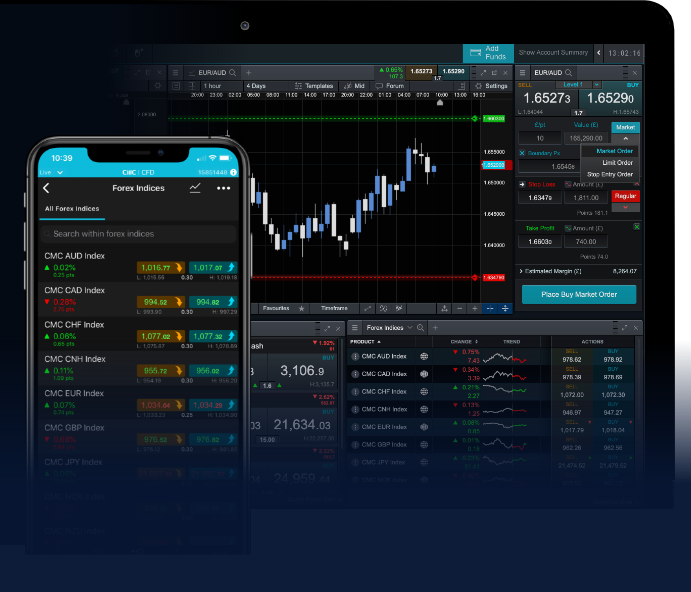
- Use Technology: Consider using tools and apps designed for trading journals. Many trading platforms offer built-in journaling features that can streamline the process.
- Review Regularly: Periodically review your journal entries to identify trends, areas for improvement, and successful strategies to replicate. A weekly or monthly review is ideal.
Common Mistakes to Avoid
While keeping a trading journal is beneficial, certain pitfalls can undermine its effectiveness. Here are some common mistakes to avoid:
- Inconsistency: Only jotting down trades occasionally will leave gaps in your data, which can hinder your ability to analyze your performance.
- Neglecting Emotional Insights: Ignoring your feelings and emotional responses can prevent you from understanding how they affect your trading.
- Overcomplicating the Process: Your journal doesn’t have to be overly complex. Focus on capturing key elements and insights rather than getting bogged down in minutiae.
- Failure to Act on Insights: The ultimate goal of your journal is to improve your trading. If you fail to implement lessons learned, you’re missing the point of journaling.
Final Thoughts
A forex trading journal is more than just a record of trades; it’s a powerful tool for personal and professional growth as a trader. By documenting your trades, analyzing your performance, and understanding your emotions, you can make informed decisions that enhance your trading strategies. As you develop your journal, remember to stay consistent, honest, and reflective. With time and dedication, you’ll find that your trading journal makes a significant contribution to your success in the forex market.